Destination Details
Serengeti National Park
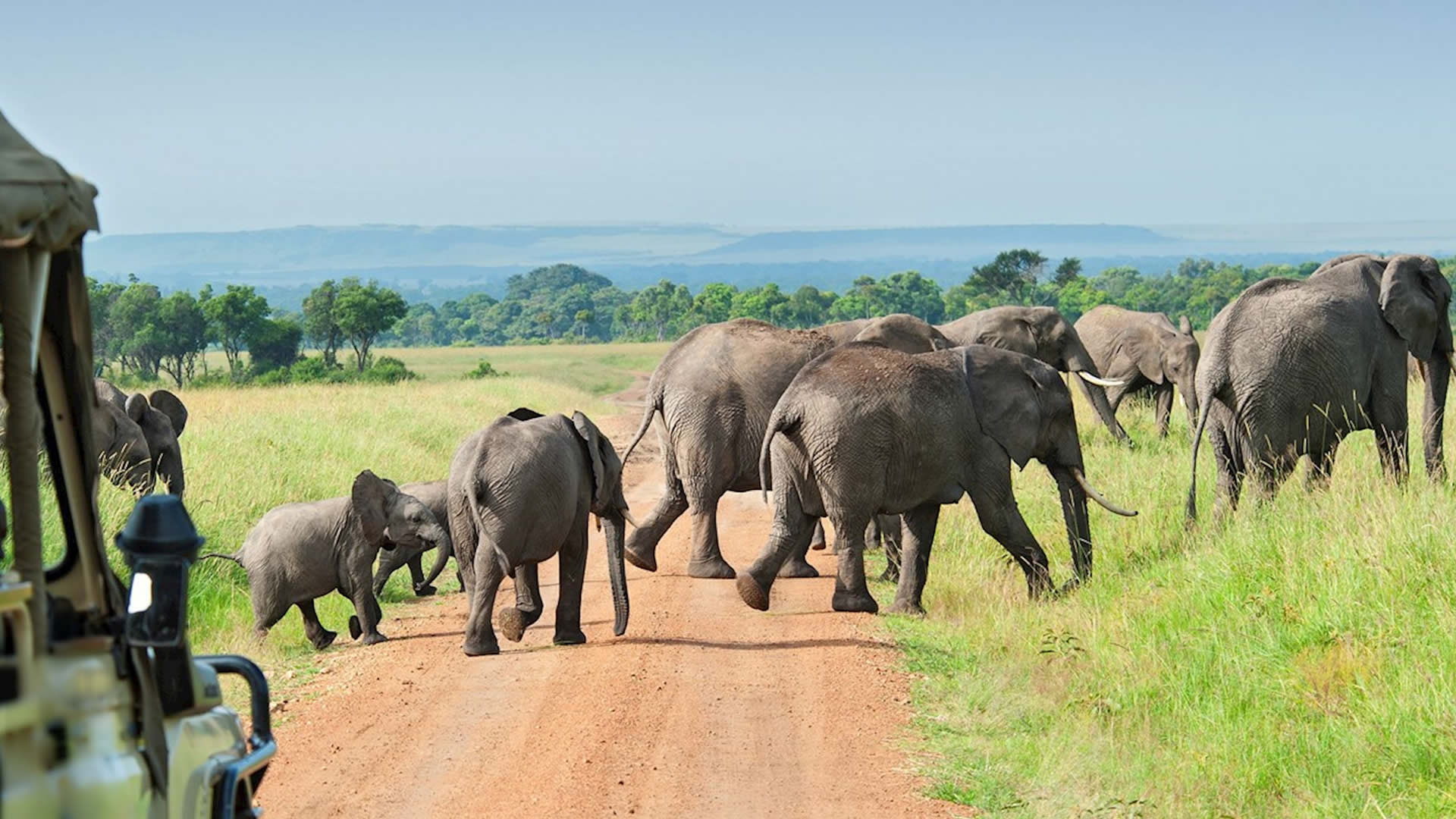
Serengeti National Park is a UNESCO World Heritage site and arguably the most famous wildlife sanctuary in the world. Its name comes from the Maasai word Siringet, meaning "endless plains." The park is defined by its diverse ecosystems and its role as the stage for the largest terrestrial mammal migration on Earth.
The Great Migration
The defining event of the Serengeti is the annual movement of over 1.5 million wildebeest, 250,000 zebras, and hundreds of thousands of Thompson’s gazelles.
- December – March (Southern Plains/Ndutu): The herds congregate in the southern Serengeti and Ngorongoro Conservation Area for calving season. Hundreds of thousands of calves are born within a few weeks, attracting intense predator action.
- April – May (The Trek North): The herds move through the central Serengeti as the rains end, transitioning toward the Western Corridor.
- June – July (Grumeti River): The migration faces its first major obstacle: the Grumeti River, home to enormous Nile crocodiles.
- August – October (Mara River): The iconic river crossings occur in the northern Serengeti. The herds cross the Mara River into Kenya's Maasai Mara and back again, facing treacherous currents and predators.
- November (Return South): The "short rains" trigger the move back toward the southern plains to start the cycle anew.
Distinct Regions
- Central Serengeti (Seronera): The most accessible and wildlife-dense region. It features the Seronera River Valley, which provides year-round water, making it excellent for spotting leopards in acacia trees and the famous "Seronera prides" of lions.
- Western Corridor: Follows the path of the Grumeti River. It is characterized by riverine forests and is the best place to see the migration in June and July.
- Northern Serengeti (Kogatende & Lobo): A remote, hilly region with stunning landscapes and fewer crowds. This is the primary location for Mara River crossings from August to October.
- Southern Plains: Characterized by short-grass plains and Kopjes (giant granite outcrops). These outcrops, like the Moru Kopjes, serve as lookout points for big cats and are home to the park's remaining black rhinos.
Key Wildlife and Attractions
- The Big Five: High concentrations of lions (est. 3,000), leopards, elephants, and buffalo. Rhinos are present but more elusive, primarily found in the Moru Kopjes area.
- Predator Capital: Along with the Big Five, the Serengeti is a premier location to see cheetahs on the open plains and large clans of spotted hyenas.
- Retina Hippo Pool: Located in the central region, where hundreds of hippos congregate in a deep pool.
- Olduvai Gorge: Situated just outside the park, this is one of the most important paleoanthropological sites in the world, often called the "Cradle of Mankind."
Signature Activities
- Hot Air Balloon Safaris: Typically launching at dawn from the Seronera or North Mara regions, these offer a silent, bird's-eye view of the migration and the vast plains.
- Walking Safaris: Offered in specific wilderness zones (mostly in the north), allowing a closer look at the "Little Five" and local flora under the guidance of armed rangers.
- Photographic Safaris: Many operators offer specialized vehicles with 360-degree views and beanbag mounts for professional-level photography.
Practical Planning
- Best Time to Visit: June to October (Dry Season) for general wildlife viewing and river crossings. January to February is best for the calving season in the south.
- How to Get There: Most travelers fly into Kilimanjaro International Airport (JRO) and then take a "bush flight" to one of the park's many airstrips (Seronera, Kogatende, Grumeti). Alternatively, it is an 8-hour drive from Arusha.
- Accommodation: Ranges from basic public campsites to "Mobile Migration Camps" that move with the herds, and ultra-luxury lodges like the Four Seasons Safari Lodge or Singita Sasakwa.