Destination Details
Bagamoyo historical sites
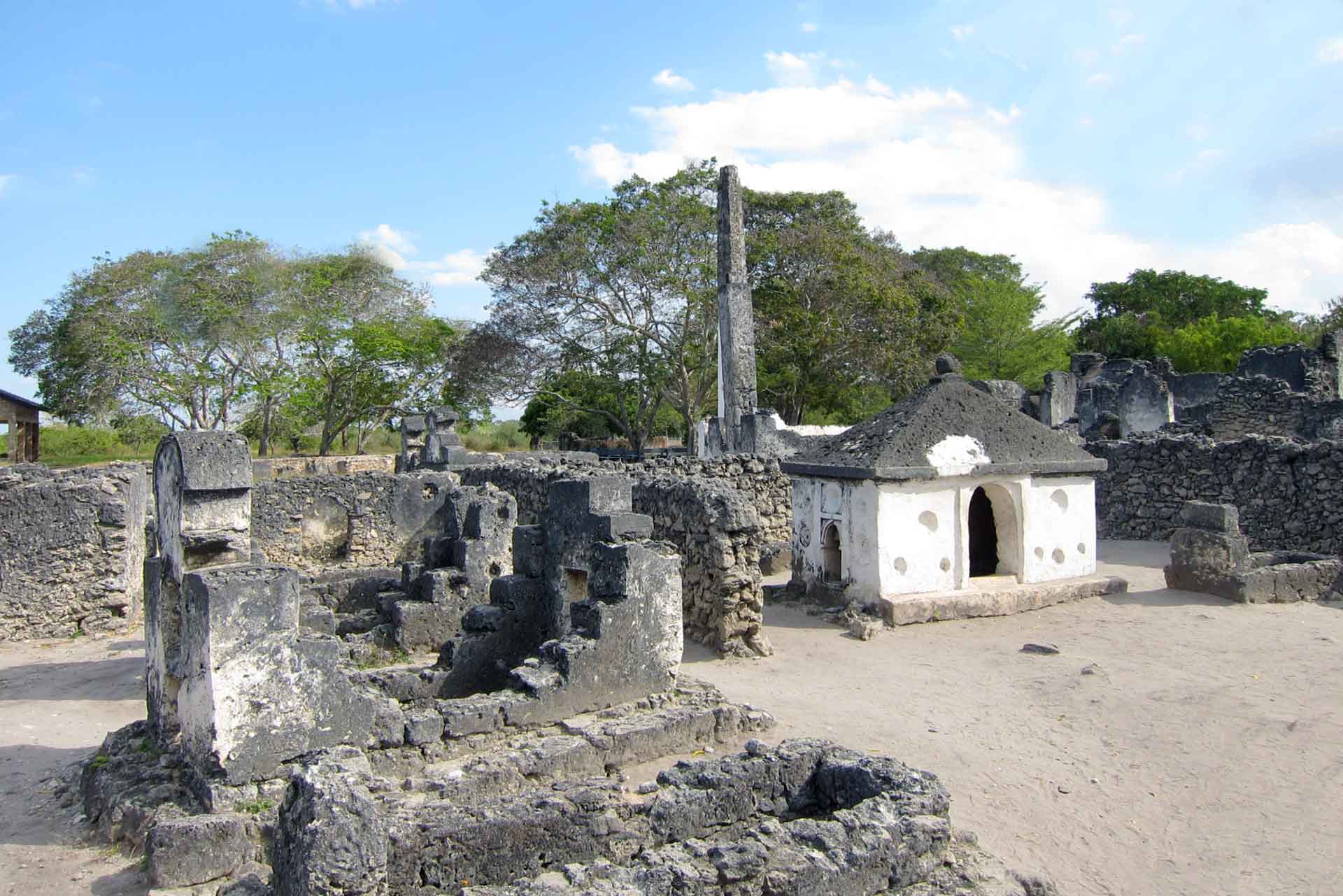
Bagamoyo is a coastal town in Tanzania with a rich architectural heritage reflecting its history as a major Swahili trading port, the terminus of the central slave trade route, and the first capital of German East Africa.
Notable Historic Buildings and Sites
- The Old Boma (1895–1897): A prominent two-story building that served as the German administrative headquarters. It is constructed of coral stone and lime mortar, featuring the fortified style typical of colonial government posts in East Africa.
- The Old Fort (Ngome Kongwe) (1860): Originally built by an Arab trader named Abdallah Sulleiman, this is one of the oldest surviving structures in the town. It has served various roles, including a residential house, a holding point for enslaved people before shipment to Zanzibar, and a German military camp.
- Catholic Mission and Museum (1868): This complex includes the first Roman Catholic Church in East Africa. Notable structures here include the "Livingstone Tower"—where Dr. David Livingstone’s body was kept before being transported to England—and the 1910 Romanesque church built of dressed coral blocks.
- Caravan Serai Museum: Historically, this was the assembly point where trade caravans from the interior (carrying ivory and enslaved people) gathered before heading to the port. It now houses exhibits on the town's history and the slave trade.
- The Customs House (1895): Built by the Germans near the harbor to manage the busy trade through Bagamoyo's port.
- German Customs House and Liku House: Located within the "Stone Town" (Mji Mkongwe) area, these buildings served as administrative offices and residential quarters for colonial officials.
- Kaole Ruins (13th–15th Century): Located about 3km south of the town center, this site contains the remains of two coral stone mosques—one of which is considered the oldest in Tanzania—and several shirazi-style tombs and graves.